


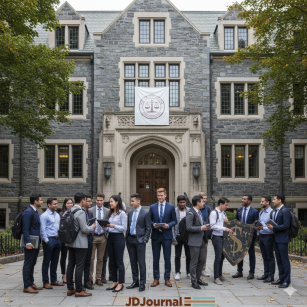
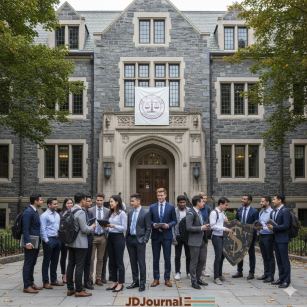
In a sweeping effort to ensure access to legal education amid new federal borrowing limits, Santa Clara University School of Law has announced that beginning in fall 2026, every incoming student will receive a guaranteed annual scholarship. Known as the PLEDGE Scholarship, this initiative will award $16,000 per year to each full-time JD student, significantly reducing the cost of tuition.
This announcement positions Santa Clara Law as one of the first law schools in the nation to take direct action in response to the new federal student loan caps passed in the 2025 federal budget bill. The new caps are set to limit professional students to $50,000 per year in federal loans and $200,000 total over a lifetime—a significant shift that will impact how law students nationwide finance their education.
Why This Matters: The Rising Cost of Law School
Law school tuition continues to climb across the country. At Santa Clara Law, full-time tuition currently stands at roughly $63,280 per year. Without additional financial support, the school’s tuition would exceed the annual $50,000 federal loan cap, potentially forcing students to take out private loans at higher interest rates or rely on other costly financing options.
The PLEDGE Scholarship directly addresses this problem. By awarding $16,000 annually, Santa Clara reduces the effective tuition to $47,280 per year, bringing it under the new federal borrowing limit and allowing students to cover tuition fully with federal loans.
Program Details
- Full-Time JD Students: Will receive $16,000 annually for each of their three years in the program.
- Part-Time Flex JD Students: Will receive $12,500 annually throughout their program.
- Estimated Program Cost: About $3.2 million per year, drawn from Santa Clara Law’s regular financial aid budget rather than special donor funding.
While the scholarship lowers the tuition burden, students will still need to secure funding for living expenses, which Santa Clara estimates to exceed $34,000 per year.

A Proactive Move to Preserve Access
Santa Clara University School of Law Dean Michael Kaufman explained that the program is designed to preserve access to legal education for qualified students who might otherwise be priced out due to new federal lending rules. “We are committed to making sure that talented students can still attend law school without being forced into excessive private debt,” Kaufman said in the announcement.
This move also represents a competitive strategy for the school. With more than half of ABA-accredited law schools charging annual tuition above $50,000, many institutions are likely to face challenges keeping their programs financially accessible under the new caps. Santa Clara’s universal scholarship program may become a model for peer schools seeking to avoid enrollment declines and keep legal education within reach for students from diverse backgrounds.
Context: National Debt and Borrowing Trends
Law students are among the most indebted graduate borrowers. Research from AccessLex, a nonprofit organization focused on legal education financing, shows that:
- 76% of law students borrow to cover tuition and living expenses.
- The average law school debt for those who borrow is approximately $146,800.
With the new caps taking effect in July 2026, law students nationwide will have to carefully plan their financing. Schools that fail to lower tuition or expand scholarships could see more students turning to private lenders, which typically offer fewer borrower protections than federal programs.
Implications for the Future of Legal Education
Santa Clara’s PLEDGE program signals a broader trend: law schools will need to adapt quickly to federal policy shifts to remain competitive. Institutions that proactively lower net tuition may have an advantage in attracting students who want to avoid private loan debt.
The move may also reignite conversations about tuition inflation and the overall cost structure of legal education. Critics have long argued that law schools must find ways to reduce tuition growth, while supporters of programs like PLEDGE view them as crucial tools for keeping the profession accessible.
What This Means for Students
For prospective students, the message is clear: starting in fall 2026, attending Santa Clara Law will be more financially manageable, with guaranteed institutional aid built into the package. This allows students to maximize federal loan options while minimizing risk of over-borrowing or relying on private lenders.
However, students will still need to budget carefully. Living expenses remain a significant portion of the total cost of attendance, and federal loan limits may still leave gaps that students must cover through work, savings, or additional aid.
A Possible Blueprint for Other Law Schools
Santa Clara’s initiative could pave the way for similar programs at other institutions. If successful, it may set a precedent for law schools seeking to mitigate the effects of federal loan caps without losing enrollment.
With national attention focused on student debt and affordability, programs like this may become a key factor in how prospective law students choose where to apply.
The Bottom Line
Santa Clara Law’s new PLEDGE Scholarship is a bold step toward making legal education more accessible in the face of rising tuition and new federal borrowing limits. By offering $16,000 annually to all incoming full-time students (and $12,500 to part-time students), the school is ensuring that its graduates can fund their legal education primarily with federal loans—preserving access and reducing long-term debt risk.
Explore Your Legal Career Options Today
As law schools adapt to new federal loan limits and introduce innovative scholarship programs, the legal industry is shifting rapidly. Whether you’re a prospective student, recent graduate, or experienced attorney, staying ahead of these changes is crucial.
Visit LawCrossing to explore thousands of legal job listings, clerkships, and internships nationwide. Discover opportunities that fit your skills, stay informed on the latest trends in legal education and hiring, and take the next step in building your legal career.
See Related Articles:
•15 Top Law Schools: Best Program for Aspiring Lawyers
•Decode Law Schools Ranking
•Law School Profile


